
India ranks among the top countries producing wheat, rice, corn, pulses, and other types of agricultural products. The rising agriculture output and demand for secure and adequate food provisions have made grain storage an important part of agricultural activities in the country. Conventional ways of grain storage cause considerable loss owing to moisture, pests, rodents, and inefficient storage practices. In response, grain storage silos are considered as a good method of storing food grains and minimizing post-harvest losses.
In today’s context, more industries, governmental organizations, cooperative societies, and big farmers are relying on effective grain storage solutions for ensuring proper preservation of agricultural products. This paper will address the significance of grain storage silos in India, the latest trends in their design, the material of construction, and many more benefits.
Understanding Grain Storage Silos
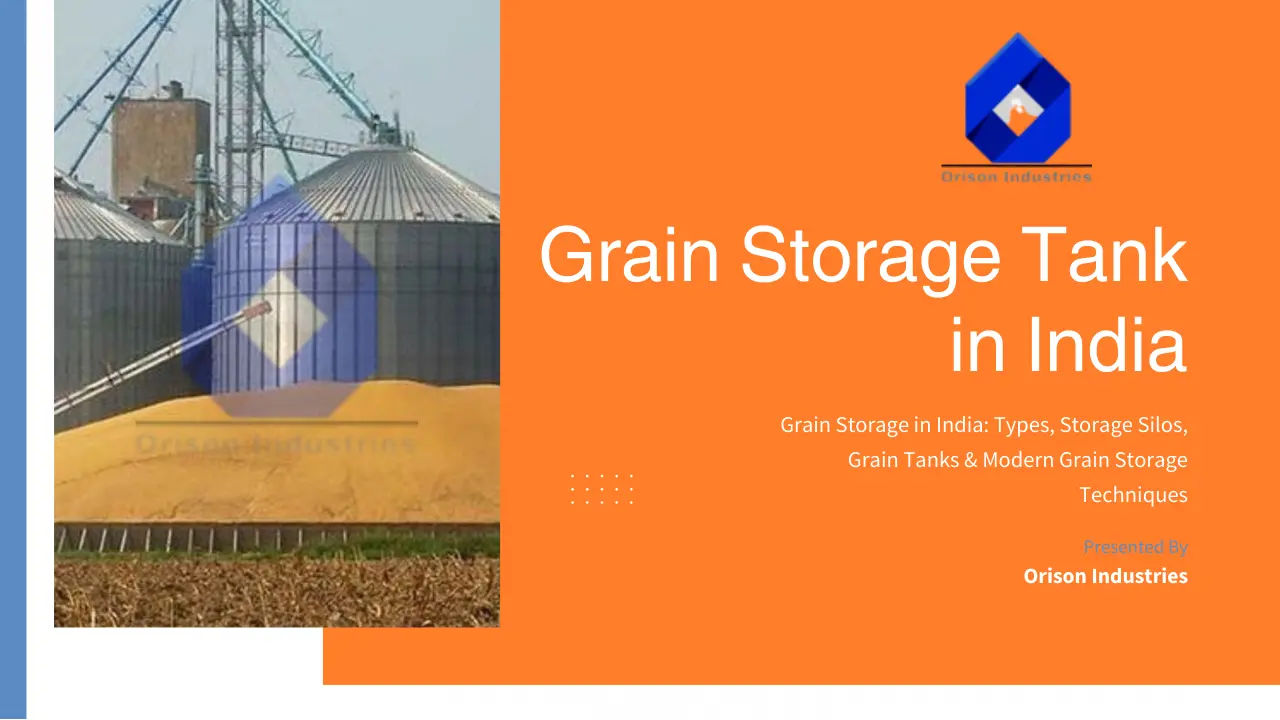
Grain storage silos are specially designed structures used for storing large quantities of grains under controlled conditions. Unlike traditional warehouses or open storage methods, silos provide better protection against environmental factors and help maintain grain quality for extended periods.
Modern grain silos are equipped with advanced monitoring systems, aeration mechanisms, temperature controls, and automated handling equipment that ensure optimal storage conditions throughout the year. The increasing adoption of silos for storage of grains is helping improve food security, reduce wastage, and strengthen India’s agricultural supply chain.
Also Read: Top Companies Manufacturing Zincalume Tanks in India
Why Grain Storage is Important in India
Agriculture contributes significantly to India’s economy, and millions of farmers depend on successful harvests for their livelihoods. However, post-harvest losses remain a major challenge.
Effective grain storage in India is essential for several reasons:
- Preventing spoilage and deterioration
- Protecting grains from insects and rodents
- Maintaining grain quality and nutritional value
- Supporting food security programs
- Reducing economic losses for farmers and traders
- Ensuring a stable supply of food grains throughout the year
With increasing production volumes, modern storage infrastructure has become more important than ever before.
Evolution of Grain Silo India Infrastructure
Over the last decade, the concept of grain silo India projects has gained significant momentum. Government initiatives, public-private partnerships, and investments from agribusiness companies have accelerated the development of modern silo facilities across the country.
Traditional bag storage systems are gradually being supplemented by steel silos that offer better storage efficiency, automation, and inventory management capabilities.
Today, large grain-producing states such as Punjab, Haryana, Uttar Pradesh, Madhya Pradesh, Rajasthan, and Maharashtra are witnessing increased adoption of silo-based storage systems.
Materials Used in Modern Grain Silos
The performance and durability of a silo largely depend on the materials used in its construction.
Galvanized Steel Silos
Galvanized steel is one of the most commonly used materials for modern grain silos.
Benefits include:
- High durability
- Corrosion resistance
- Long service life
- Low maintenance requirements
- Cost-effectiveness
Most commercial grain storage system in India projects utilize galvanized steel silos due to their reliability and scalability.
Reinforced Concrete Silos
Concrete silos are often used for large-capacity storage facilities.
Advantages include:
- Exceptional structural strength
- Long-term durability
- Resistance to harsh weather conditions
- Suitable for large-scale grain handling operations
Hybrid Silo Structures
Some modern facilities combine steel and concrete components to achieve both structural stability and operational efficiency.
Innovations in Grain Storage Systems
Technology is transforming the way grains are stored and managed. Modern India grain storage facilities are increasingly incorporating advanced solutions to improve efficiency and reduce losses.
Smart Monitoring Systems
Digital sensors continuously monitor:
- Temperature
- Humidity
- Grain moisture levels
- Airflow conditions
These systems help operators detect potential issues before they affect grain quality.
Automated Aeration Systems
Proper airflow is essential for preserving stored grains. Automated aeration systems regulate temperature and moisture levels inside silos.
IoT-Based Silo Management
Many advanced grain storage system in India projects now use Internet of Things (IoT) technology for real-time monitoring and remote management.
Automated Grain Handling
Modern silo facilities include:
- Conveyor systems
- Bucket elevators
- Automated loading equipment
- Discharge mechanisms
These systems improve operational efficiency and reduce manual labor requirements.
Digital Inventory Management
Software-based inventory tracking helps operators manage stock levels, grain quality, and storage capacity more effectively.
Advantages of Silo Storage in India
The growing adoption of silo storage in India is driven by several significant benefits.
- Reduced Post-Harvest Losses- One of the primary advantages of grain silos is the reduction of storage losses caused by pests, moisture, and contamination.
- Better Grain Quality Preservation- Controlled storage conditions help maintain grain freshness, nutritional value, and market quality.
- Improved Food Security- Efficient storage supports government food distribution programs and national food security initiatives.
- Enhanced Operational Efficiency- Automated systems improve grain handling, loading, unloading, and inventory management.
- Lower Long-Term Costs- Although the initial investment may be higher than traditional storage methods, silos often provide lower operating costs over their lifespan.
- Increased Storage Capacity- Vertical storage design allows large quantities of grain to be stored in a relatively small land area.
Applications of Grain Silos
Modern grain silos serve various sectors within the agricultural supply chain.
- Government Food Agencies- Used for strategic grain reserves and food security programs.
- Agricultural Cooperatives- Help farmers store crops safely before selling them in the market.
- Grain Traders- Enable bulk storage and inventory management.
- Food Processing Industries- Provide reliable raw material storage for mills and processing plants.
- Export Operations- Ensure proper storage before shipment to international markets.
Why the Future of Grain Storage in India Depends on Silos
As agricultural production continues to increase, traditional storage systems alone may not be sufficient to handle future demand. Modern silo technology offers a sustainable and efficient solution for long-term grain preservation.
Government initiatives supporting modern grain storage in India, along with increasing private sector participation, are expected to accelerate the adoption of silo-based storage infrastructure across the country.
Advanced technologies, automation, and smart monitoring systems will further improve storage efficiency and help minimize food losses.
Why Choose Orison Industries for Grain Storage Solutions?
The main goal of Orison Industries is to develop high-end grain storage solutions that are tailor-made to cater to the requirements of the Indian agricultural industry. This company aims to provide its customers with top-notch engineering, technology, and performance, enabling them to develop efficient infrastructure for grain storage. With specialized knowledge in advanced silo technology, Orison Industries enables its clients to develop safe, efficient, and economical storage facilities.
Conclusion
The adoption of modern grain storage silos is transforming the agricultural landscape of India. As demand for efficient storage solutions grows, grain silos are becoming an essential component of the country’s food supply chain. Whether it is silos for storage of grains, advanced grain storage systems in India, or large-scale grain silo India projects, these technologies offer substantial benefits in terms of quality preservation, operational efficiency, and food security.
As the future of India grain storage continues to evolve, modern silo storage in India will play a crucial role in reducing post-harvest losses, supporting farmers, and strengthening the nation’s agricultural infrastructure.