

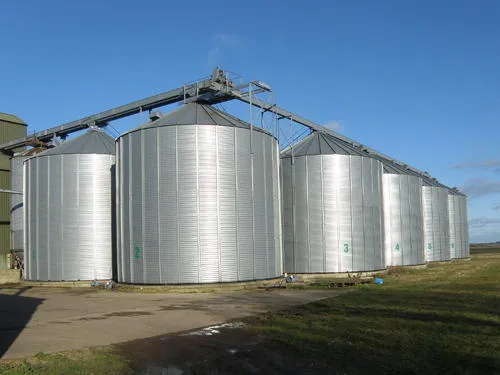
Safe storage of crops and grains in the agricultural industry is crucial for farmers and agribusinesses. Without proper storage, a large portion of produce can spoil, leading to economic losses. This is why silos are widely used. If you’re wondering what a silo is, consider it a structured and controlled space where grains, seeds, and other crops are stored for long periods of time. A silo essentially means a place where farmers can protect their produce from weather, pests, and moisture.
Grain silos are specifically designed for grain storage. These silos store wheat, corn, sorghum, millet, and other grains. The primary purpose of grain silos is to preserve crops for a long time and maintain their quality. Both farmers and the agricultural industry use silos in agriculture to protect their crops from damage or spoilage.
What is a Silo? (Silo Meaning)
A silo is a structural tank or container designed primarily to store agricultural products such as grains, seeds, and other crops. Simply put, a silo means a place where crops can be safely stored.
What is a silo? It is a tall or circular tank used for silo storage. The environment inside is controlled to keep crops safe and prevent spoilage.
The Importance of Silo Storage
The importance of silo storage is easy to understand. Previously, farmers stored their grain and seeds in warehouses, earthen boxes, or traditional storage mediums. This posed numerous problems, including damage by insects and rodents, crop spoilage due to humidity or excessive heat, limited storage capacity, and loss of quality during prolonged storage. Today, silo agriculture provides a solution to these problems. Silo storage ensures grain is preserved for a long time, allowing farmers to easily sell their produce in the future.
Silos are used for long-term storage, as well as for preserving crops and providing farmers with organized storage facilities. Storage silos are designed to protect crops from air, moisture, and pests. Silos for storing grains are important not only for preserving production but also for protecting farmers’ investments.
Types of Grain Silos and Corn Silos
Grain silos and corn silos are essential tools for modern agriculture. Corn silos are specifically designed for storing corn. In addition, other types of silos exist, suitable for different crops and seeds. For example, some silos are built high (Vertical Silos) and can store large quantities of grain in a small area. Some silos are spread out (Horizontal Silos), suitable for large-scale storage. Hopper Silos and bins are also used on a smaller scale, depending on the needs of farmers.
The purpose of all these silos is to provide farmers with a place to store grain that is safe, clean, and pest-free. With modern silo agriculture technology, farmers can maintain the quality of their crops for a longer period of time.
Why is Silo Used in Agriculture?
The importance of silos in agriculture can be seen on many levels. Silos in agriculture provide farmers with the opportunity for safe and long-term storage. Previously, farmers used traditional methods of storing crops, which resulted in crop losses due to pests and diseases. Modern silo storage takes into account temperature, humidity, and ventilation, ensuring long-term preservation of crops.
Silos are used not only for grain storage but also for seeds and other agricultural products. It’s important to know what a silo is used for because it’s used to protect, produce and preserve it for future use. Silos keep grain fresh and safe for longer, allowing farmers to get a fair price for their crops.
Benefits of Using Silos for Grain Storage
Silo storage has many benefits. First, it protects grain and seeds from pests, mold, and moisture. Silos for grain storage keep crops fresh and maintain their quality for longer. Second, silos allow for storing large quantities of grain in a small space. Third, silos are easy to maintain and operate, reducing farmers’ labor and costs.
The use of grain silos isn’t limited to storage. They also provide farmers with systematic storage and the ability to preserve crops for the future. By using silo agriculture, farmers not only preserve their produce but can also sell their grain and seeds in the market at a better price.
Silo Maintenance and Best Practices
Proper maintenance of silos is also essential. Regular cleaning, humidity and temperature monitoring, pest control, and periodic repairs are essential for crop safety. Proper maintenance prolongs the life of silo storage and protects the crop.
Farmers should ensure that the proper guidelines for silo storage are followed to maintain the quality of their crops. Properly used storage silos help farmers preserve their crops for a longer period of time and avoid financial losses.
Conclusion
Understanding what a silo is and what a grain silo is has become essential for every farmer. Silos in agriculture not only preserve crops but also provide farmers with systematic and long-term storage. Silos are used to protect grain and seed from pests, moisture, and weather, maintaining crop quality and preserving production for the future.
If you’re planning to purchase silos for grain storage for your farm or agricultural industry, Orison Industries offers high-quality silos and reliable solutions. With modern silo agriculture equipment, you can make your production safer, more organized, and more profitable.