
Properly storing grain and seeds is a major challenge in the agricultural industry. Having the right storage facilities is essential for preserving crops after harvest. This is why the use of silo storage has become crucial for both large and small farmers. Grain silos are an effective way to preserve seeds and grains for long periods of time. Today we will learn why silo storage is important, the purpose of a silo, and what silos hold.
Also Read: Why Grain Storage Silos are Essential For Storing Planting Seeds
What are silos and their purpose
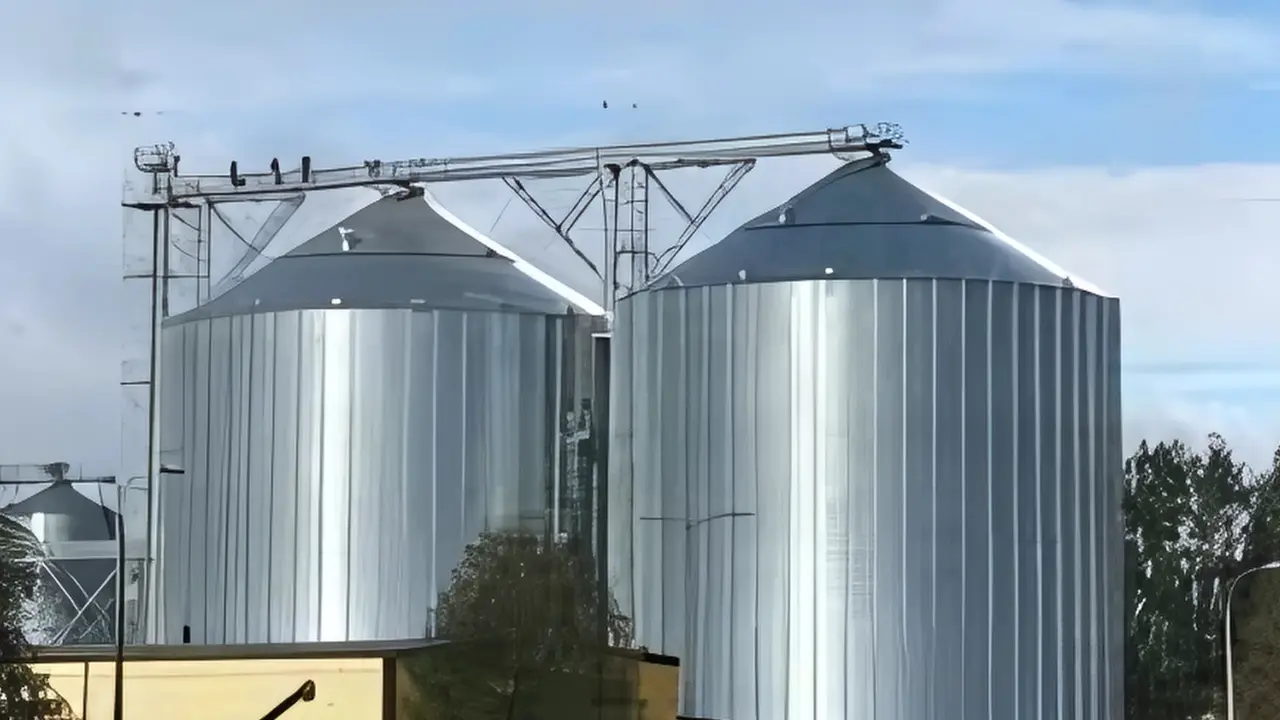
A silo is a large storage tank primarily used to store grain and seeds in agriculture. Farmers use storage silos to preserve their produced grain and seeds for long periods of time.
The purpose of a silo is to protect the grain from moisture, pests, and other external factors. Why is grain stored in silos? The simple reason is that silos protect grain from spoilage and keep it ready for future use.
Types and Structure of Silos
Grain silos are primarily made of steel, concrete, or other strong materials. The atmosphere inside them is controlled so that grain remains safe for longer.
- Vertical Silos: These are built tall and can store more grain in a smaller area.
- Horizontal Silos: These are spread out rather than vertical.
- Bins and Hopper Silos: Used for small-scale crop storage.
The purpose of all types of silos is to provide farmers with a place to store grain that is safe, clean, and pest-free.
Importance of Silo in Agriculture
Silos are used in agriculture to store grain, seeds, and other agricultural products. Without silos, crop losses can be significant.
- Pest and Disease Control: Grain is protected from pests and fungi inside the silo.
- Seasonal Protection: Rain, floods, or excessive sunlight prevent grain quality from deteriorating.
- Long-Term Storage: Farmers can store crops for long periods, making it easier to sell them in the market when needed.
Thus, silos for storage of grains have become an invaluable resource for farmers.
Proper Use of Silos for Grain and Seeds
When we talk about silo storage, it’s not just important for grain but also for planting seeds. Storing seeds properly is crucial for good yields in the next season.
- Moisture Control: Keeping seeds dry is essential, and silos are ideal for this.
- Temperature Control: Seeds remain safe for a long time at the right temperature.
- Protection from Pests: The strength and design of silos provide protection from pests and rodents.
That’s why farmers ask, “Why is grain stored in silos?” The answer is clear—it’s the most reliable way to store both grain and seeds.
What do silos hold?
Silos typically store the following:
- Grains: Wheat, rice, maize, sorghum, millet, etc.
- Seeds: Seeds stored for the next season.
- Other agricultural products: Sometimes oil seeds or dry crops.
The goal of all products is to maintain quality over a long period of time and prevent losses for the farmer.
Silos vs. Traditional Storage
Traditional methods of storage, such as warehouses or earthen boxes, face several problems:
- Insect and rodent infestation
- Dampness and mold infestation
- Limited storage capacity
- Loss of quality during long-term storage
Storage silos, however, address all of these issues. Silos are used for long-term safe storage, pest control, and maintaining crop quality.
Benefits of Using Silos
Silos in agriculture and grain silos have many benefits:
- Safety: Protects crops from pests, rodents, and disease.
- Storage capacity: Stores large quantities of grain in a small amount of space.
- Longevity: Grain and seeds remain safe for a long time.
- Accessibility: Grain can be easily retrieved when needed.
- Clean and hygienic: More hygienic than traditional storage.
Therefore, farmers use silos to protect grain and seeds from damage.
How to Select the Right Silo?
Choosing the right silo is also important. Some important points:
- Storage Capacity: How many quintals of grain or seed to store.
- Material Quality: Steel or concrete silos are long-lasting.
- Design: Ensure the height, hoppers, and ventilation are correct.
- Cost and Maintenance: A silo is economical and easy to maintain.
This ensures that farmers have a completely safe and convenient place to store grain.
Conclusion
Using silos for storing grains and seeds in agriculture has now become essential. Why is grain stored in silos? The simple answer is that they protect grain and seeds from pests, moisture, weather, and other damage. Grain silos and storage silos are not only safe storage but also a stable and reliable investment for farmers. Whether small or large, silo storage maintains crop quality and leads to greater profits in the future. Orison Industries provides high-quality agricultural silos to its customers. Our silos are designed to preserve all types of crops and seeds for long periods of time.
If you are looking to purchase silos for grain storage for your farm or business, Then Orison Industries is the most reliable option for you.
FAQs – Grain Storage Silos
Q1: What are the advantages of using silos for storage of grains?
A1: Using grain silos offers many advantages. They protect grains and seeds from pests, moisture, and spoilage. Silos provide long-term safe storage, make handling easier, and help maintain the quality of crops. Farmers can reduce losses and ensure their produce stays fresh and usable for a longer period.
Q2: What are the benefits of silos?
A2: Silos provide several benefits:
- Long-term and secure storage
- Maintain crop quality and nutrition
- Store large quantities in a small space
- Protect from pests and diseases
- Easy access and organized storage
Q3: What are three uses of a silo?
A3: Silos are used for:
- Storing grains and seeds
- Protecting crops from pests and weather
- Organized and long-term storage
Q4: Why are silos important in agriculture?
A4: Silos in agriculture are important because they provide farmers a place to store grain safely. Silos reduce losses, protect seeds and grains, maintain quality, and ensure a reliable supply for future use. They are essential for efficient and profitable farming.